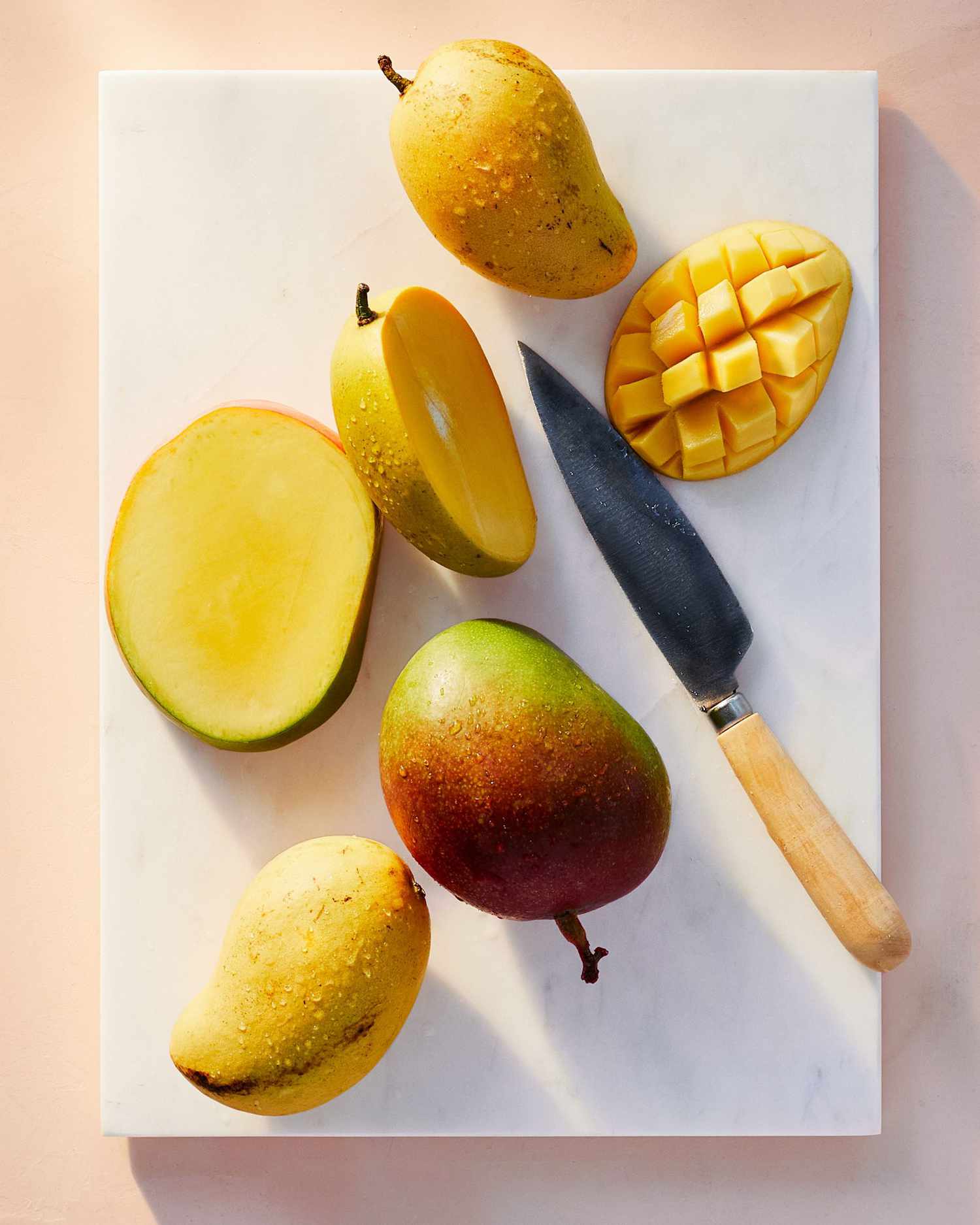
Slice & Dice Mangoes: Best Methods for Cubes, Slices, and More
As the vibrant hues of mango season sweep across our kitchens, bringing with them the promise of tropical delight, many home cooks find themselves facing a common culinary conundrum: how to cut a mango. Unlike the straightforward peeling of a banana or the simple coring of an apple, a mango’s large, flat central pit presents a unique challenge. But fear not, mango enthusiasts! With a few simple techniques, you can transform this seemingly tricky fruit into perfect cubes, elegant slices, or whatever form your recipe—or your cravings—demand. Having navigated countless mangoes from personal trees to farmers' market finds, we're here to share the most effective, safest, and easiest methods to prepare this golden gem, ensuring you get every succulent bit.Essential Pre-Cutting Preparations: Picking & Cleaning Your Mango
Before you even think about wielding a knife, the secret to a successful mango experience begins with proper selection and hygiene. Nothing dampens the anticipation of a delicious mango like cutting into an unripe, firm fruit or, worse, one that hasn't been cleaned properly.Choosing a Ripe Mango: A ripe mango is not necessarily determined by its color alone, as varieties like Ataulfo (honey mango) are yellow when ripe, while others like Tommy Atkins might still have green patches. Instead, focus on these cues:
- Scent: Give it a sniff near the stem. A ripe mango will emit a distinctly sweet, fruity aroma.
- Texture: Gently squeeze the mango. It should give slightly, similar to a ripe avocado or peach, but not be mushy.
- Weight: A ripe mango often feels heavier than it looks, indicating juiciness.
Washing Your Mango: This step is non-negotiable. Even if you plan to peel the skin, washing the fruit thoroughly under cool running water is crucial. Any bacteria, dirt, or pesticides on the skin can be transferred to the edible flesh by your knife as you cut. For optimal food safety, ensure your hands, cutting board, and knife are also clean and sanitized, especially if they’ve been in contact with raw meats or seafood.
Method 1: The Classic Cube – Perfect for Fruit Salads & Salsas
If you're aiming for those neat, bite-sized mango cubes ideal for fruit salads, salsas, or simply eating by the spoonful, this "hedgehog" method is your go-to. It elegantly works around the mango's large, flat pit, which runs lengthwise through the center of the fruit.- Identify the Pit and Slice the Cheeks: Stand the mango upright on your cutting board, stem-end facing up. Visualize the pit running through the center. With a sharp chef's knife, make a cut about ¼ to ½ inch away from the center line on one side, slicing straight down. This cut should completely miss the pit. Repeat on the other side to yield two "cheeks" of mango flesh.
- Score the Flesh: Take one of the mango cheeks. With the skin side down, use your knife to create a grid pattern by making vertical and horizontal slices into the flesh. Be careful not to cut through the skin. Aim for cubes of your desired size.
- Release the Cubes: You have a couple of options here. You can either gently push the skin side up from underneath, turning the scored cheek inside out like a hedgehog. The cubes will pop up, making them easy to slice off with your knife or scoop with a spoon. Alternatively, you can simply use a large spoon to scoop out the scored cubes directly from the skin. Repeat with the second cheek.
Don't Waste the Middle! The remaining strip of mango around the pit still holds plenty of delicious flesh. Carefully trim the skin from this middle section, then slice any remaining fruit away from the pit. These pieces are often perfect for smoothies or snacking Overcome the Mango Pit: How to Cut Perfect Slices and Cubes.
Method 2: Elegant Slices – Ideal for Desserts & Garnishes
For stunning mango slices that look beautiful fanned out on a tart, accompanying sticky rice, or simply enjoyed on their own, a slightly different approach works best. This method prioritizes peeling the mango first.- Peel the Mango: Using a vegetable peeler or a small paring knife, carefully remove all of the skin from the mango, just as you would peel a potato. A ripe mango's skin should come off relatively easily. For very ripe mangoes, a clever trick is to use the rim of a glass. Simply slice the mango cheeks off, then place the edge of the cheek against the rim of a sturdy glass and slide the mango flesh down into the glass, separating it from the skin.
- Slice from the Pit: Once peeled, stand the mango upright again. Carefully slice the flesh away from the central pit in long, even strips. Work your way around the pit until all the edible flesh has been removed.
- Shape Your Slices: Lay these strips flat on your cutting board and slice them into your desired thickness for elegant mango slices.
This method provides clean, unblemished slices that are perfect for decorative purposes or recipes where the aesthetic appeal is key. If you're looking for an overall guide to various techniques, check out Mastering Mango: Easy Steps for Slicing and Dicing This Tricky Fruit.
Method 3: The Mango Splitter – For Speed and Simplicity
For those who regularly consume mangoes or simply prefer a quick, fuss-free approach, a specialized mango splitter can be a game-changer. This handy kitchen gadget simplifies the process, especially when you're preparing multiple mangoes.- Position the Mango: Place the mango on your cutting board with the stem end facing down.
- Align the Splitter: Hold the mango splitter above the fruit. The circular opening in the splitter is designed to align perfectly with the widest part of the mango's pit. Carefully center it.
- Push Down Firmly: With a firm, steady push, press the splitter down through the mango. The sharp blades will cleanly separate the flesh from the pit in two perfect halves, leaving the pit exposed in the center of the splitter.
Advantages: The mango splitter offers unparalleled speed and consistency, resulting in two perfectly shaped cheeks with minimal effort and less waste around the pit. It's particularly useful for those who find maneuvering a knife around the pit intimidating. Considerations: While efficient, a mango splitter is a single-purpose tool, and its effectiveness can vary slightly depending on the size and shape of your specific mango variety. Ensure your mango fits well within the splitter's opening for the best results.
Beyond the Basics: Utilizing Every Bit of Your Mango
Once you’ve mastered how to cut a mango into cubes or slices, you'll find endless ways to enjoy this versatile fruit. But don't let any of its sweet goodness go to waste!- Pit Scraps: Don't toss the pit immediately! There's usually a bit of delicious flesh clinging to it. You can gnaw on it directly (a childhood favorite for many!), or use a spoon to scrape off any remaining bits for smoothies or purees.
- Smoothies & Juices: Overripe mangoes or those small pieces around the pit are perfect for blending into refreshing smoothies, tropical juices, or even a homemade mango lassi.
- Freezing: If you have an abundance of mangoes, cut them into chunks and freeze them on a baking sheet before transferring to an airtight bag. Frozen mango is excellent for smoothies, sorbets, or even as a cool snack.
- Savory Dishes: Beyond desserts and fruit salads, mango adds a fantastic sweet and tangy counterpoint to savory dishes. Think mango salsa with grilled fish or chicken, or a fresh mango chutney.
